2024’s The Caged Bird Sings was certainly one of the most unforgettable theatrical experiences I’ve witnessed thus far. This summer, Tarragon Theatre along with Modern Times and Theatre ARTaud are bringing this beautiful show indoors to the Tarragon Extraspace. I got to ask Waleed Ansari (set designer) & Rafeh Mahmud (creator/director) some questions about this remount, the changes they’re making for this new location, and why the stories of Rumi still speak to us today.
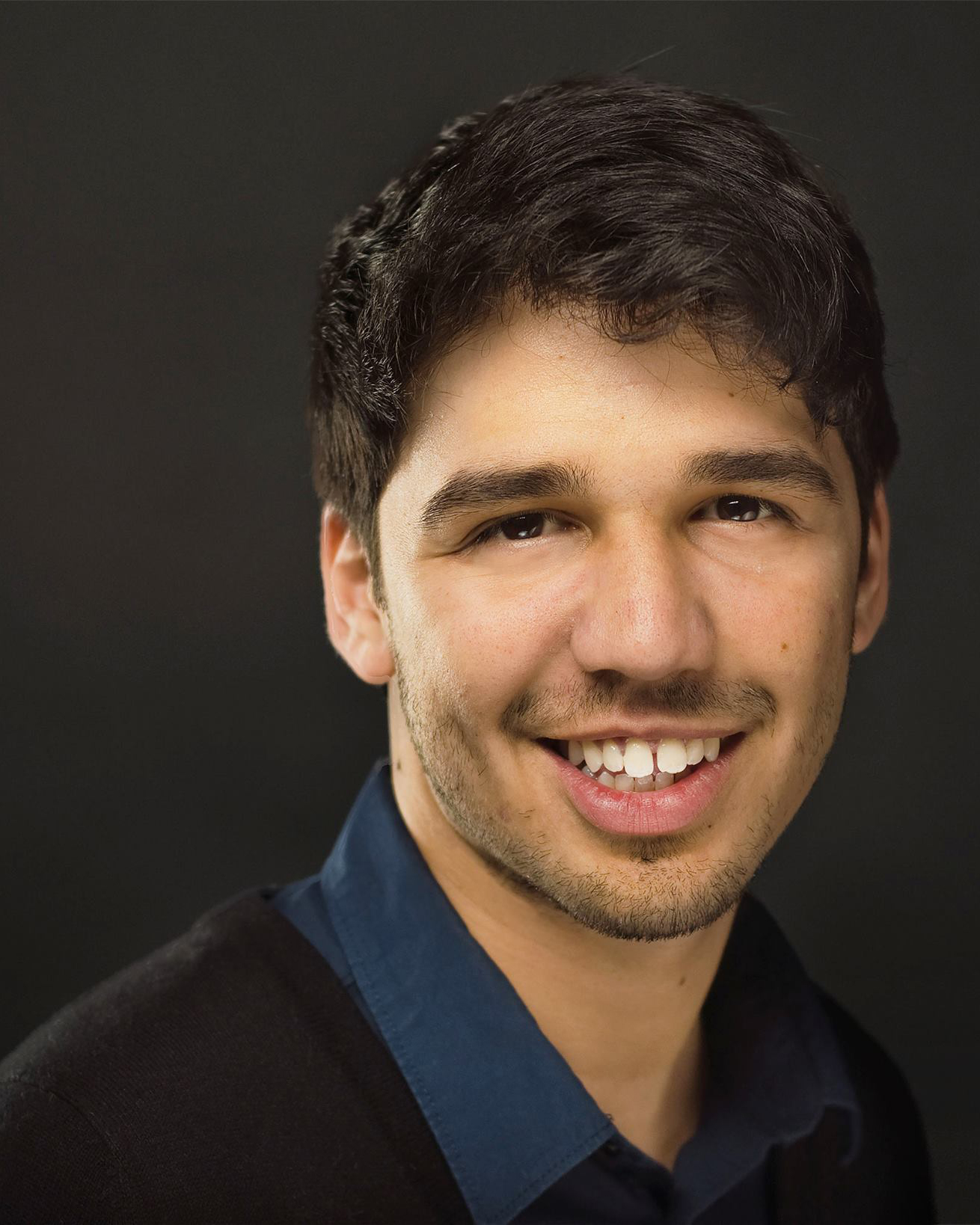
1. Could you please introduce yourself to my readers and tell us a bit about your role with The Caged Bird Sings?
Waleed: Hello, I’m Waleed Ansari, a theatre and film creator and Set Designer of Caged Bird Sings.
Rafeh: Hey I’m Rafeh Mahmud, a theatre & filmmaker. I’m the Director and Co-Writer on The Caged Bird Sings.
2. What is The Caged Bird Sings about?
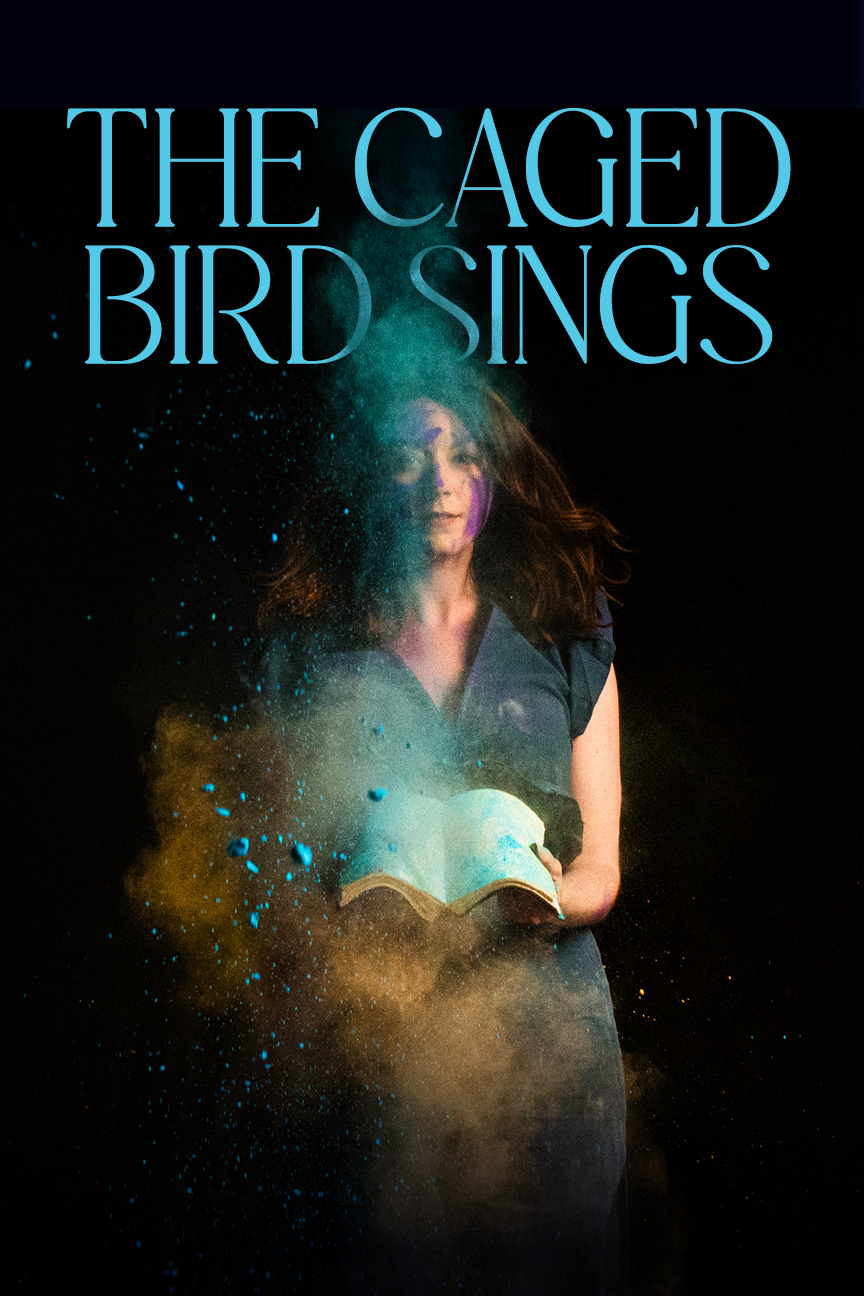
Rafeh: The Caged Bird Sings is a re-imaging of Rumi’s ‘Masnavi’, about prisoners. Rumi and Jin, two star-crossed lovers with a love potion, share a cell with a mysterious vagrant, Sal. Awaiting guards or lawyers who do not come to their aid, they remain trapped, haunted by ghosts and demons of their own making. The piece explores Sufi mysticism, ideas of Fanafillah, the prisons – literal and metaphorical, that we create for ourselves, and whether we can ever be free of them.
3. Why do you think we still turn to sources like Rumi for inspiration today?
Rafeh: Honestly, the human experience hasn’t changed that much, even though we like to believe human intellect has evolved in extraordinary ways. The core of what it means to be human – the search for meaning, what it means to love and be loved, is at its core the same. As our world delves farther into capitalism and individualism, his musings on oneness and the interconnectedness of every living being speak louder than ever. We don’t exist in a bubble amongst each other, we share the same world, and how we choose to live it is the question Rumi’s work speaks to so poignantly.
4. What about The Caged Bird Sings speaks the most deeply to you?
Rafeh: I think the biggest Rumi-ism in the show that speaks to me is the desire to find something that makes me feel in harmony with my own existence. With so much war and hatred in the world, it’s easy to lose sight of the idea that we are one in this world, intrinsically intertwined, we exist in it together.
5. It’s so exciting that The Caged Bird Sings is getting a remount, especially when remounts are so rare. How does it feel to get to be working on this show again?
Waleed: As a designer, really exciting. It’s like continuing a conversation and getting to know the work even more.
Rafeh: It’s been a blast. It’s rare to get the opportunity to dissect a full production from the ground up. In particular in dealing with subject matter as dense as Rumi, which has been examined and re-interpretted for centuries, it has given us a rare opportunity to delve deeper into the work. For this reason, it has been a lot of fun to have the same actors, Mikaela Lily Davies, Rouvan Silogix & Navtej Sandhu, who are all powerhouse performers. It’s a completely ensemble piece, none of them ever leave the stage, they sing, dance, fight, and everything in between, so it’s always incredible to see the amount of energy they bring to the whole show.
6. What have been some of the challenges you’ve faced bringing this show indoors to Tarragon?
Waleed: Honestly, really exciting. Getting to design this play at the Aga Khan Museum was a dream come true. The open skies, and an institution that is embedded with so much cultural history. The goal in the first design was to make a piece that honoured the space. A cage under open skies is beautiful. Bringing it into the Extra Space at Tarragon Theatre is a reversal of all those pieces. In Tarragon, it’s intimate, darker, and it gives you a blank space to build new ideas. In this design, I wanted to bring the cultural impact we left behind at the Aga Khan Museum and make the confinement self-imposed.
Rafeh: This show was a site-specific theatrical experience made to exist at the Aga Khan Museum. So it’s been a lot of fun going back to the drawing board, and re-imaging how to explore the same ideals of sufism at Tarragon. The show has gone from an open-air cage, to an indoor claustrophobic, and hilariously intimate prison. It was really important for us to make the audience feel what the characters on stage feel, so we relooked at everything to re-imagine what that energy means at Tarrogan. Built on the foundations of the work we did at the Aga Khan Museum, we see this run as a next evolution of the piece, bringing Rumi’s timeless madness to the modern stage.
7. What do you hope audiences take away from The Caged Bird Sings?
Rafeh: Ultimately, we do not approach Rumi as a puzzle to be solved, but as an invitation to be unsettled, delighted, provoked, and left in thought. Theatre is the vessel for that invitation: a living, shared space where contradiction can breathe, where comedy and grief can sit beside each other, and where meaning is not delivered but discovered together. If this play leaves you laughing, questioning, arguing, or looking at love, freedom, faith, or the person beside you a little differently, then perhaps we have come close to the spirit of the Masnavi.
I want to thank Waleed and Rafeh for taking the time to answer my questions. The Caged Bird Sings runs June 9 – 21 in the Tarragon Theatre Extraspace. For more information and tickets, visit: https://tarragontheatre.com/plays/2025-2026/the-caged-bird-sings/
Thank you to my Patrons:
Natalia, Steve, Brendan, Deborah, and Phil
And to my supporters who’ve bought me a coffee:
Angelica and Paul, Anonymous, Adrianna, Caitlin, Jonathan, Jada, and Courtney
Would you like to become a Patron? Check out my Patreon at: https://www.patreon.com/AViewfromtheBox
Or, you can buy me a coffee at: buymeacoffee.com/aviewfromthebox

