Have you ever wondered what it’d be like to attend a seance? UnSpun Theatre’s The Haunting gives audiences a chance to do just that. But you won’t be surrounded by strangers, this is the most intimate of performances: 1 on 1. Creator and performer Shira Leuchter has kindly answered my questions about The Haunting, how she got into the paranormal, and what audiences can expect from this intriguing show.
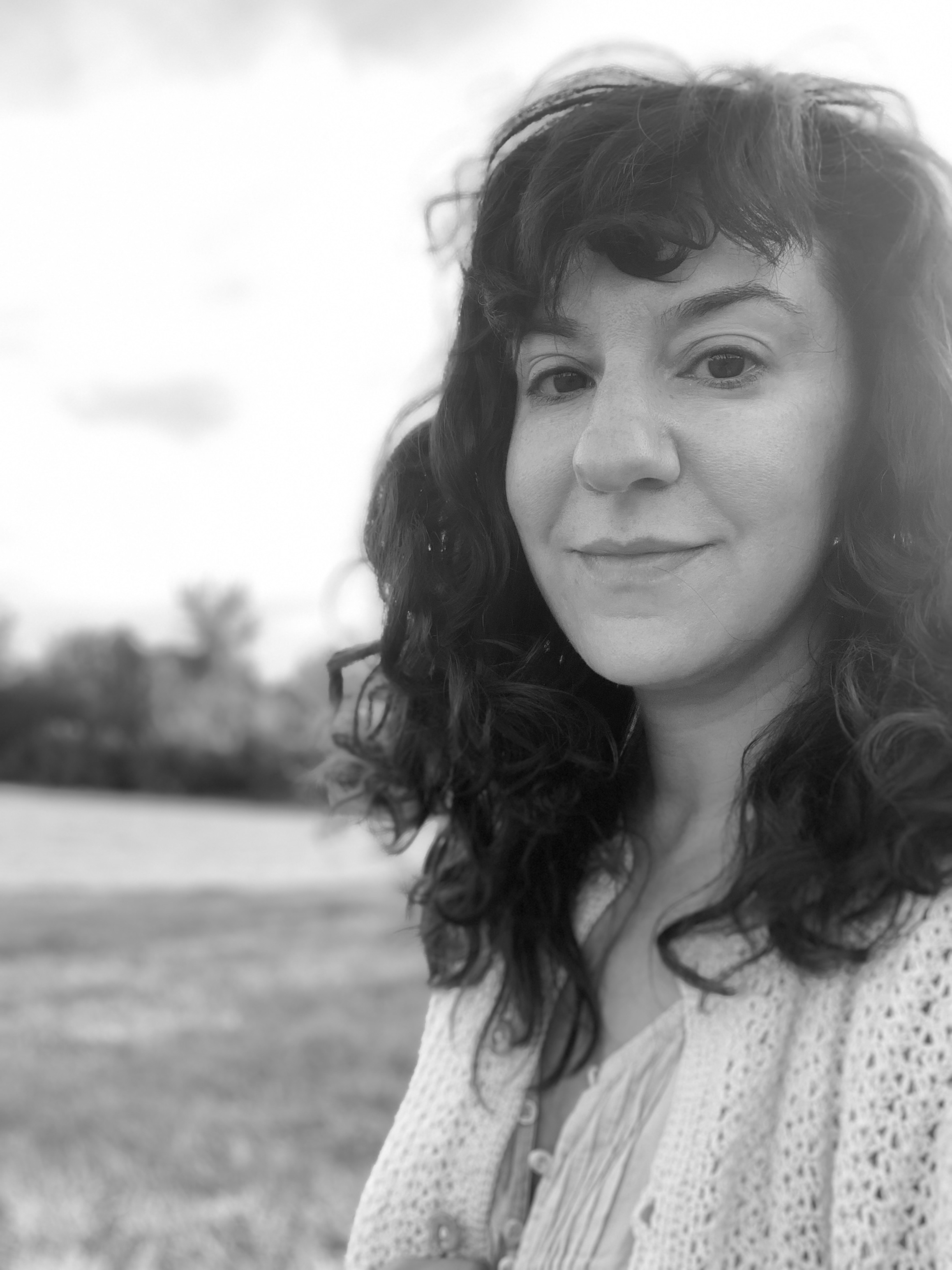
- Could you please introduce yourself to my readers and tell us a bit about your role with The Haunting?
I’m a Toronto-based theatre-creator, actor, and researcher (I’ve just started a PhD in theatre and performance at York University). I’ve been making performances for twenty years, and I’ve focused on participatory performance for the last decade. I’m also a mom to two very funny and cool kids.
I wrote The Haunting and developed it over a couple of years with the support of my husband Chris Hanratty (who also edited the sound and video elements, and acts as an outside eye). I perform the piece solo with one audience member at a time, and run all of the technical elements myself during the performance. But the piece also grew out of very fruitful conversations with friends, teachers, and colleagues. I also received support from Justin Miller and Tarragon Theatre’s Greenhouse Festival/Residency, as well as Toronto Arts Council, Ontario Arts Council, and Canada Council for the Arts.
- What first got you into the paranormal and seances?
I was really obsessed with ghosts from a young age. I had many uncanny experiences and my father took me to a “registered psychic” when I was twelve because I was so terrified of being alone in my room. I later attributed all of this to an overactive imagination. But one of the intriguing things about ghosts is that I don’t really know if I believe in them or not, but I love that feeling of not-knowing, of possibility. I’m an anxious person, deeply uncomfortable with uncertainty, and exploring the unknown with audiences helps me practice navigating the thresholds and margins of the unknown.
I took a course with Dr. Belarie Hyman-Zatzman during graduate work at York University, and the course introduced me to the concept of haunting as a sociological phenomenon. We considered hauntology as a theoretical lens, looking at the ghosts that continue to follow us, asking for action or repair. I took another look at my various hauntings and found some interesting throughlines that related to aspects of my identity and cultural inheritances. The ghosts were a useful instigator in pushing me to look at what I’d previously chosen to ignore, or cultural narratives that I needed to retell.
Almost every time I talk about this piece, people come up to me and tell me that they don’t believe in ghosts, but that they had a very strange experience they don’t know how to understand. I’m offering this performance as a space to share the parts of our lived experiences that we don’t know how to make sense of.
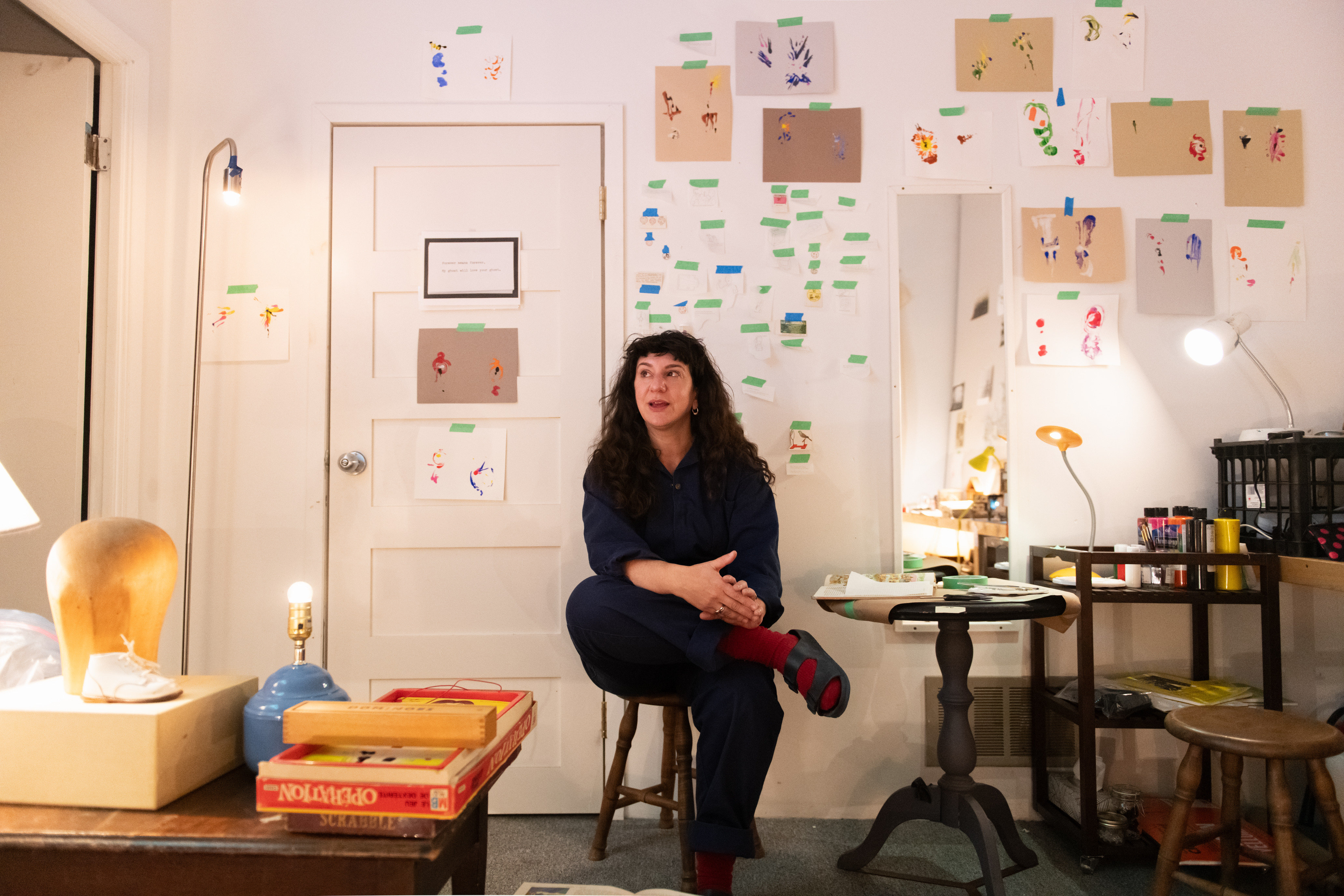
- This show is extremely intimate, only being performed for one person at a time. What challenges or freedoms does that give you as the performer?
One-to-one performance invites the audience to participate without having to perform for other audience members. We can build a surprisingly rich relationship over a short time. It also allows me to respond to their needs in the moment: if they want to stop or pause the performance, we can do that. If they need me to repeat something, I can. I can adjust sound and lighting on-the-go. I invite audiences to contact me before the show if they have access needs; I can often make changes to the piece that allows them to participate more fully. Participatory theatre can be very inaccessible. I’ve experienced this as an audience member many times. I’ve had audience-participants tell me that they’ve never really been able to do participatory theatre before their experience doing Lost Together or The Haunting.
One-to-one performance has challenged me to listen and attend to audiences in a new way. Through these performances, I explore relationships with audiences and how enacting care and reciprocity as central actions might help us practice alternate ways of being together. I’ve been replacing traditional dramatic conflict with collaboration: what happens if we need to make something together in a certain amount of time? Can we do it? How will we do it? These performances are risky because they rely completely on the consent and agency of the audience to collaborate with me, as the performance cannot go forward without them.
I invite audiences to co-create this performance with me, to a certain extent. This requires a kind of deep listening and responding that has been profound for me as a performer, but it also stages an interdependence that I want to make visible in my work. It interrupts the performer-audience dynamic that we may be used to. The doing-of-the-thing together can feel awkward, vulnerable, imperfect, and I’m interested in practicing these feelings together.
- What’s the most memorable moment you’ve had during a seance?
I led the séance portion of The Haunting during workshop performances at Tarragon Theatre in 2024. Keep in mind that I had no idea what I was doing during this portion of the show; I don’t even know if I believe in séance, but I tried my best anyway. There were a couple of times where the séance brought forth images and colours that were eerily resonant for audience-participants. I think they unnerved us both. These moments remind me that not-knowing can be such a productive space. It’s really useful to linger in that place of knowing one thing but feeling another. This is a space of questioning, of imagining other possibilities, of letting go.
- What are you hoping audiences take away from The Haunting?
I always hope that audiences have fun!
The piece itself offers haunting as a way of looking at the world and at our shared histories. I hope this is a useful lens for audiences to bring back to their own lives. I hope they feel that they created a space of possibility with me.
Many audiences have told me that these performances have helped them practice narrating their own experiences, or have helped them understand some of their loss and grief in new ways. I never know what the performance will do, but I’m thrilled when audiences share what these pieces have done for them.
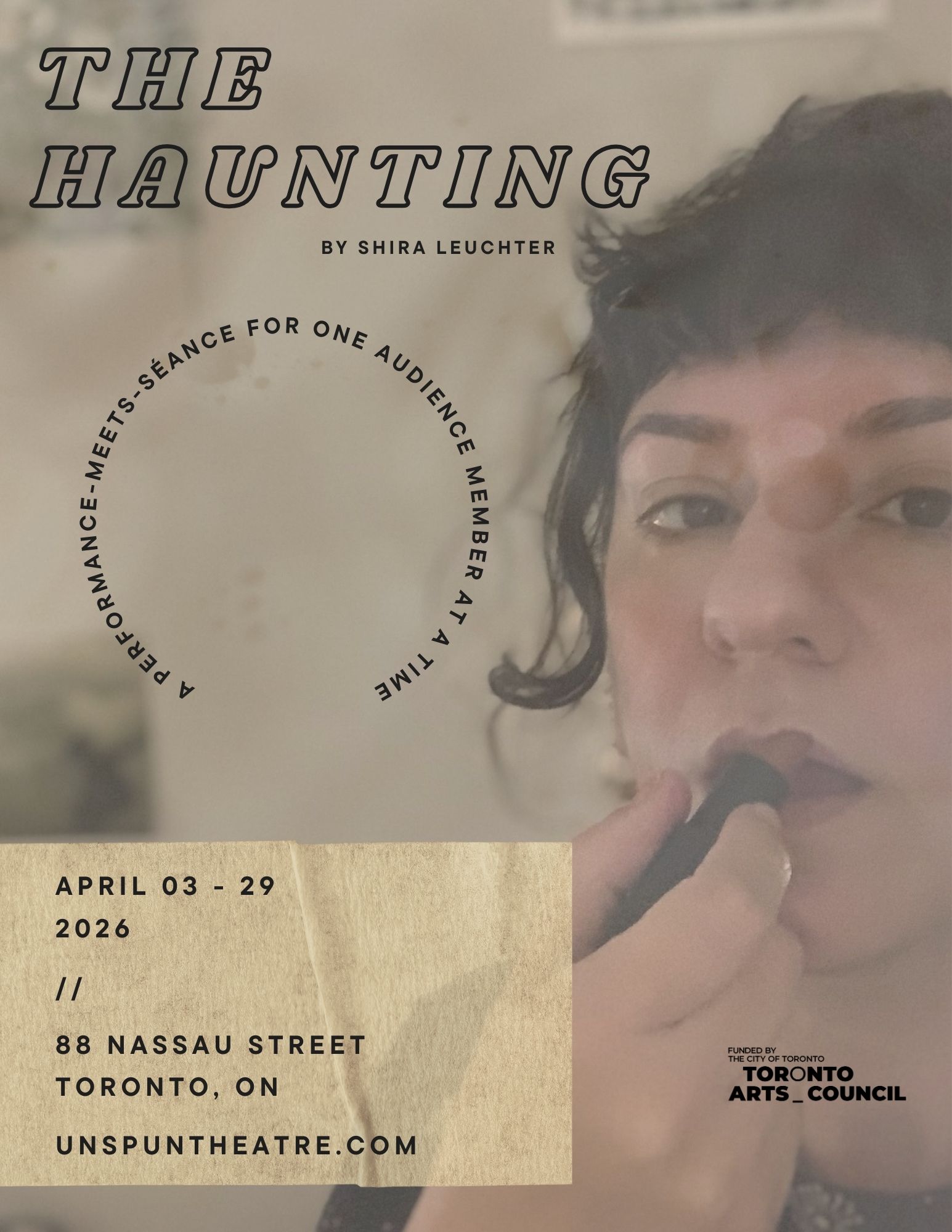
I want to thank Shira for taking the time to answer my questions. The Haunting will run from April 3 – 29 at 88 Nassau Street. For more information and tickets, visit: https://www.unspuntheatre.com/
Thank you to my Patrons:
Natalia, Steve, Brendan, Deborah, Eleanor, and Phil
And to my supporters who’ve bought me a coffee:
Angelica and Paul, Anonymous, Adrianna, Caitlin, Jonathan, Jada, and Courtney
Would you like to become a Patron? Check out my Patreon at: https://www.patreon.com/AViewfromtheBox
Or, you can buy me a coffee at: buymeacoffee.com/aviewfromthebox
 A View from the Box